1. The Consultation and Project Briefing (Analysis)
This initial stage focuses on data gathering and feasibility analysis.
Initial Inquiry & Data Collection: Collecting the essential metrics: event date, location(s), guest count, and overall budget allocation for florals.
Vision & Style Definition: Deep consultation to understand the client's aesthetic preferences (e.g., modern, romantic, tropical), color palette, and desired emotional impact.
Feasibility Check: Analyzing the chosen venues (e.g., Quinta, coastal cliff) for environmental factors (wind, light, humidity) and necessary logistics (access, setup time). This is where technical expertise (like Verena's) is crucial for structural planning.
2. Concept & Proposal Development (Engineering the Vision)
This stage translates the vision into a technical and financial plan.
Concept Sketching & Moodboarding: Developing visual guides that define the shapes, textures, and key floral components for the bridal party, ceremony, and reception.
Botany Selection: Specifying the exact botanicals, prioritizing seasonal and locally sourced materials first, and then sourcing specialty flowers. (In Verena's model, this includes determining wholesale cost).
Detailed Proposal: Creating a document outlining the specific items, quantity required for each arrangement, design labor hours, and the transparent pricing structure.
3. Sourcing and Procurement (The Supply Chain)
This stage involves securing and preparing the raw materials well in advance.
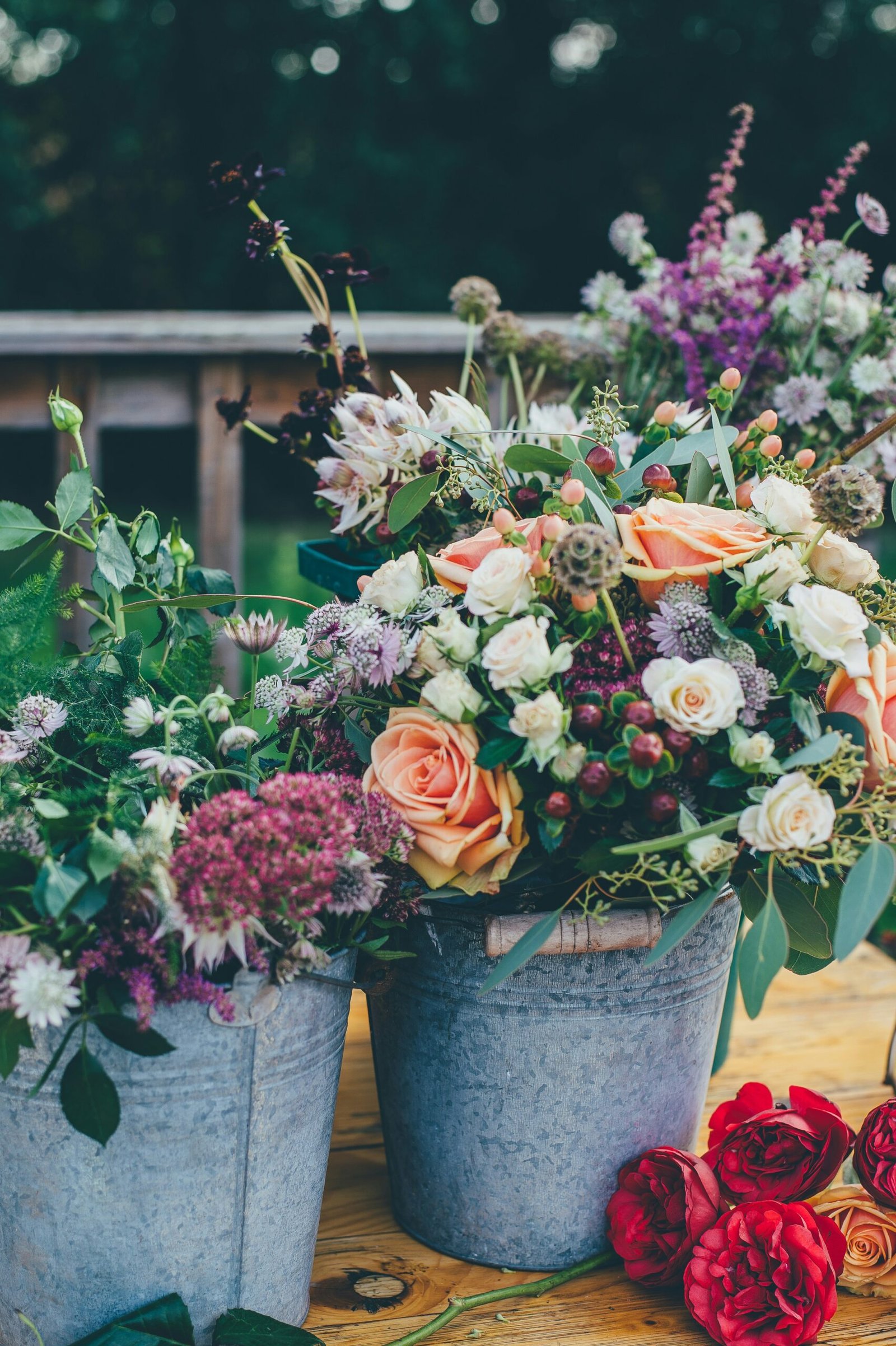
Vendor Lock-In: Placing orders with local Madeira growers and specialized international suppliers (if necessary) to ensure exclusivity and volume.
Vessel and Hardware Procurement: Acquiring all necessary non-floral items, including vases, stands, arch structures, and specialist mechanics (e.g., wiring, foam alternatives).
Logistics Planning: Finalizing transport routes, cold storage needs, and contingency plans for unforeseen delays or material substitutions.
4. Design and Conditioning (The Artistry)
This is the hands-on creation phase, done in the studio to ensure quality control.
Post-Harvest Conditioning: The immediate and critical technical process of trimming, hydrating, and feeding all flowers upon arrival to maximize their turgidity (firmness) and longevity on the wedding day.
Structural Assembly: Building all arch bases, large installation frameworks, and pre-wiring complex elements.
Final Creation: The final assembly of all portable pieces: bridal bouquets, boutonnieres, centerpieces, and delicate corsages, often completed in a temperature-controlled environment hours before the event.
5. Installation and On-Site Execution (The Final Placement)
This stage is the timed execution of the final vision at the wedding location(s).
Controlled Transport: Safely moving all delicate arrangements and heavy hardware to the venue(s).
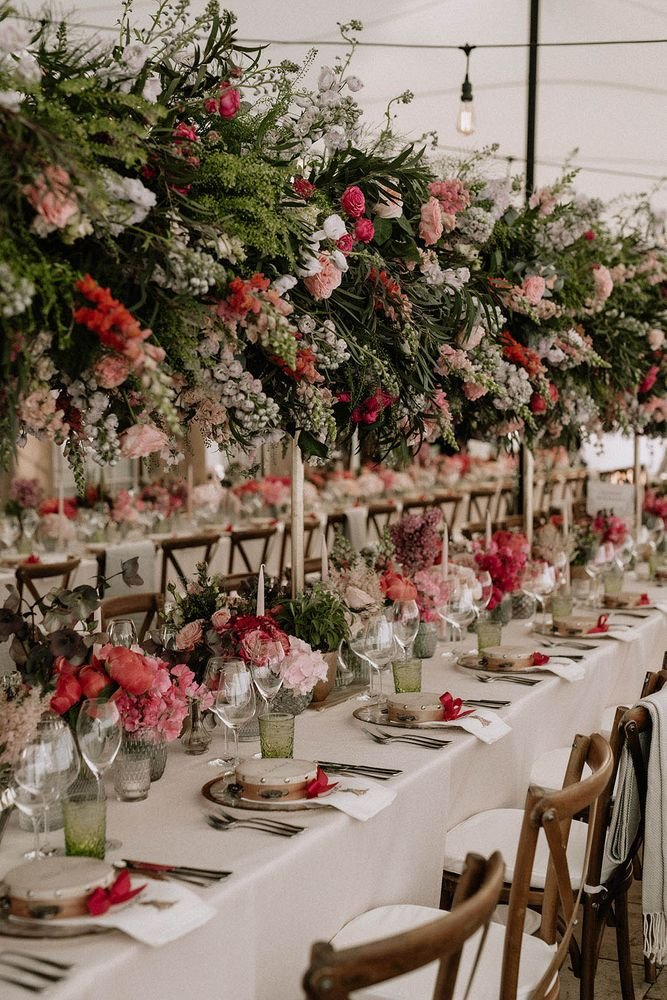
On-Site Assembly: Building and securing the large, immovable pieces (e.g., ceremony arches, hanging installations). This is often the highest-risk phase, requiring speed and precision.
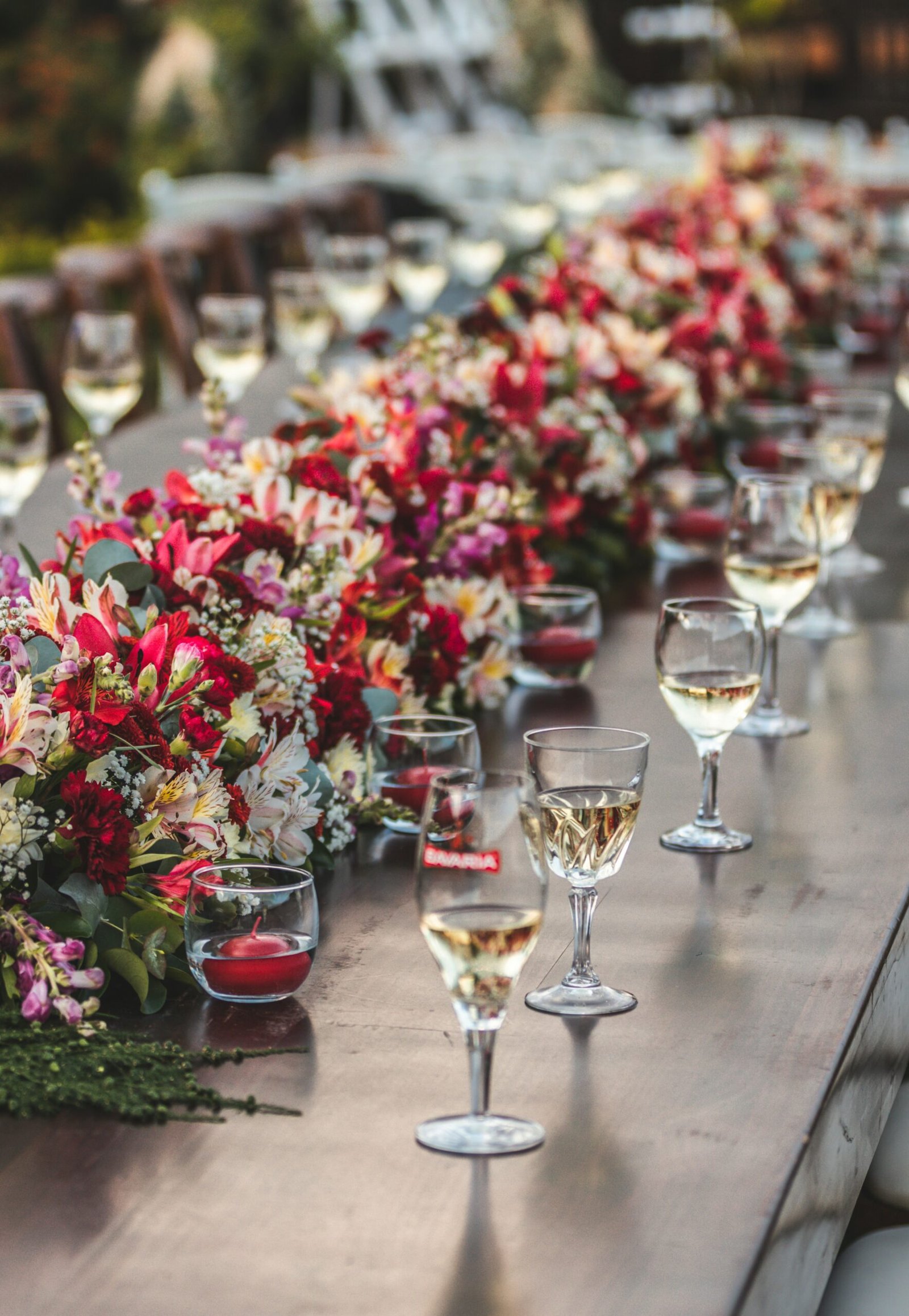
Detail Placement: The final placement of centerpieces, candle settings, and last-minute touches (e.g., petals down the aisle).

6. Post-Event Breakdown (Sustainability)
This final step involves clean-up and sustainable disposal.
Strike and Removal: Returning to the venue after the event (often late at night or early morning) to dismantle and remove all floral structures, hard goods, and waste.
Sustainable Disposal: Prioritizing the composting of perishable materials and the recovery of reusable hardware and vessels, and donation to the local old age homes.
This entire process, especially the technical stages (2, 3, and 4), is heavily influenced by Verena's engineering background, assuring clients of meticulous quality control and execution.